 ultimate-guide
Preventing Bushfire Damage to Home Gutters: A Complete Guide
Last Updated: November 10, 2026
Quick Summary
Preventing bushfire damage to home gutters means keeping leaves, bark and seed pods out of the channel, because wind-borne embers can ignite that dry debris and spread along the roofline. Clean gutters at least twice during the fire season, then after strong winds, and consider fine-mesh metal guards. Check your Bushfire Attack Level (BAL) rating before making changes.
- Clean gutters before fire season starts and again mid-season after any windy period.
- Properties under overhanging eucalypts may need cleaning every four to six weeks.
- Choose non-combustible metal guards with a stated fine mesh aperture, fitted with no gaps.
- Protect downpipe outlets and clear valleys, where debris collects quickly.
- Gutter guards reduce debris but still need periodic inspection and do not stop all embers.
Table of Contents
Preventing bushfire damage to home gutters starts with understanding how a small spark becomes a house fire. Dry leaves and twigs collect in gutters, a wind-borne ember lands on them, and the blaze spreads along the roofline. Keeping that debris out of the gutter is one of the most effective steps most homeowners can take before fire season begins.
Gutters are a fire hazard because they gather exactly the material embers need. Leaf litter, bark, and seed pods dry out quickly in summer heat, and they settle in a channel that sits directly against the roof edge. An ember does not need much fuel to start a flame. It only needs somewhere dry to land and a little time to smoulder.
Ember attack is the main way bushfire reaches a house, often well ahead of the flame front. Embers can travel several kilometres on strong winds and land on roofs, gutters, and deck edges. Ember attack is widely recognised in Australian bushfire guidance as a primary threat to buildings. Use the official sources linked below to confirm the current requirements for your property. Australian Fire Danger Rating System, Bureau of Meteorology
Here is how ignition typically happens in a gutter:
- Wind carries burning fragments from a fire front or spot fire.
- An ember lodges in dry leaf litter sitting in the gutter.
- The material smoulders slowly, often unnoticed for several minutes.
- The fire grows into the roof edge, fascia, or eaves lining.
- Once the roof cavity catches, the house is at serious risk.
A common mistake is assuming that a gutter full of wet leaves is safe. Debris can look damp on the surface and still dry out within hours of a hot, windy day. Clear the material before the season starts, not after the first warning.
Watch out: a gutter that looks clean from the ground may still hold a thick layer of compacted debris. Check the back of the channel and the downpipe outlet, where material tends to lodge.
Clearing debris is the first line of defence. The rest of this guide covers how often to do it, how to protect the gutter with guards, and how to tie gutter maintenance into your wider preparation.
Why Gutters Are a Weak Point in Bushfire-Prone Areas
Gutters are a weak point because they sit at the junction between roof, wall, and sky, the exact place embers tend to settle. A house can have fire-rated walls and treated timber decks and still lose a roof to a blaze that started in a gutter.
Three features make gutters vulnerable. First, they catch and hold debris by design. Second, they are often made of plastic or thin metal that softens or fails under radiant heat. Third, the gap between the gutter and the roof tile or sheet can let embers slip into the roof cavity underneath.
Sheet metal gutters generally perform better than vinyl or PVC, but only if they are fitted tightly. Loose brackets, gaps at joins, and corroded sections all create entry points. Inspect these as part of your preparation, not only after a storm.
Before deciding how far to go, check which Bushfire Attack Level (BAL) applies to your property. The BAL rating drives the construction standard for your home, including how gutters and eaves must be built. Bushfire Attack Level assessment guidance, Australian Building Codes Board
If your home was built before current bushfire standards applied, it is worth asking a qualified assessor to review the roofline specifically.
How Often to Clean Gutters During Bushfire Season
For most properties under mature trees, clean gutters at least twice during the fire season: once before it starts, and again mid-season after a windy period. Properties with overhanging eucalypts, pine needles, or heavy seed drop may need cleaning every four to six weeks.
Bushfire season in the Riverina typically runs from late spring through autumn, but local conditions vary. A dry winter can make the window longer. Check your local fire danger ratings and adjust your schedule when the rating rises.
Clean after every significant wind event, especially if it has dropped leaves or bark onto the roof. A single storm can deposit enough material to change your risk overnight.
Frequent clearing matters more than a deep clean once a year. A thin layer of fine debris dries faster than a thick, compacted mass, but both can ignite.
A repeatable gutter cleaning and inspection schedule
Use this schedule as a starting point, then adjust for your trees and exposure:
- Late winter (before the season): Full clean, check all brackets and joins, clear downpipes.
- Early summer: Remove debris, inspect for gaps or rust.
- Mid-summer, after any strong wind: Clear the gutter and check the roof edge.
- Autumn: Final clean and inspection before winter rain.
- Monthly in high-risk areas: Quick visual check from the ground, with a full clean if debris is visible.
Record each date and what you found. A simple log shows patterns, such as a particular corner that always collects bark, and helps you plan the next clean.
Gutter Guards for Bushfire Protection: Materials, Mesh and Installation
Gutter guards reduce the amount of debris that enters the channel, which lowers ember risk and cuts cleaning frequency. They are not a complete solution on their own, but they are a useful part of the system.
Material matters. Metal guards, typically aluminium, are non-combustible and hold their shape under heat. Plastic guards can melt or warp and are generally less suitable for bushfire-prone areas. Look for products rated for bushfire conditions.
Mesh aperture, the size of the openings, is critical. Coarse mesh lets fine debris and embers through. Fine mesh stops more material but can clog if the surface is not swept. Choose a mesh that balances debris exclusion with airflow and water flow, and ask the installer to confirm the aperture size in writing.
Installation details make or break performance. Guards must be fixed tightly to the gutter and roof line, with no gaps that embers can use. Check that downpipe outlets are protected and that the guard does not trap water behind the roof edge.
A sensible installation checklist:
- Metal or other non-combustible material
- Fine mesh with a stated aperture size
- Tightly fixed along the full run, no gaps at joins
- Downpipe outlets protected
- Compatible with your roof type and BAL requirements
- Installer provides documentation of materials and fixing method
Narrandera Gutter Cleaning offers gutter guard installation with premium aluminium mesh, and we can talk you through how they suit your roofline.
Limitations of Gutter Guards
Gutter guards do not stop all embers. Embers can land on the guard surface, and fine material can sit on top of mesh and still ignite. Guards also need periodic maintenance: debris can build up on the top surface, and leaves can accumulate in the gaps between the guard and the gutter.
Guards can also hide problems. A clean-looking guard may conceal a blocked channel underneath, so occasional inspection is still needed. Treat guards as a way to reduce debris and cleaning frequency, not as a replacement for regular checks.
How BAL Ratings Affect Gutter Protection
The Bushfire Attack Level (BAL) describes the expected level of bushfire exposure at a building site, from BAL-LOW to BAL-FZ (flame zone). Each level sets construction requirements, and those requirements can include roof, eave, and gutter materials.
At higher BAL ratings, gutters and eaves typically must use non-combustible materials and be built to tighter tolerances to reduce ember entry. Lower BAL ratings may allow a wider range of materials, but the principles of keeping the gutter clear still apply.
BAL ratings are determined by a qualified assessor, not by the homeowner or the installer. If you are unsure of your rating, ask your local council or a certified bushfire assessor to confirm it. Building work in bushfire-prone areas usually requires approval, so check requirements before changing your gutters or guards.
National Construction Code bushfire provisions, Australian Building Codes Board
Downpipes, Valleys and Other Connected Ignition Points
Debris often moves from the gutter into the downpipe, and a blocked downpipe can cause water to back up and overflow onto the roof or walls.
Check these areas during every inspection:
- Downpipes: Look for leaf or bark blockages near the outlet and at bends.
- Valleys: Where two roof planes meet, debris collects quickly. Clear valleys regularly.
- Box gutters: Flat or parapet gutters hold water and debris and need careful cleaning.
- Roof edges and eaves: Check for gaps where embers can enter the roof cavity.
- Nearby gutters on sheds and verandahs: These often get less attention but can ignite and spread.
Roof debris, such as moss, dead leaves on tiles, or branches resting on the roof, can feed a fire as easily as gutter debris. Trim overhanging branches back from the roofline and keep the roof surface clear.
Gutter Cleaning Safety: DIY Versus a Professional
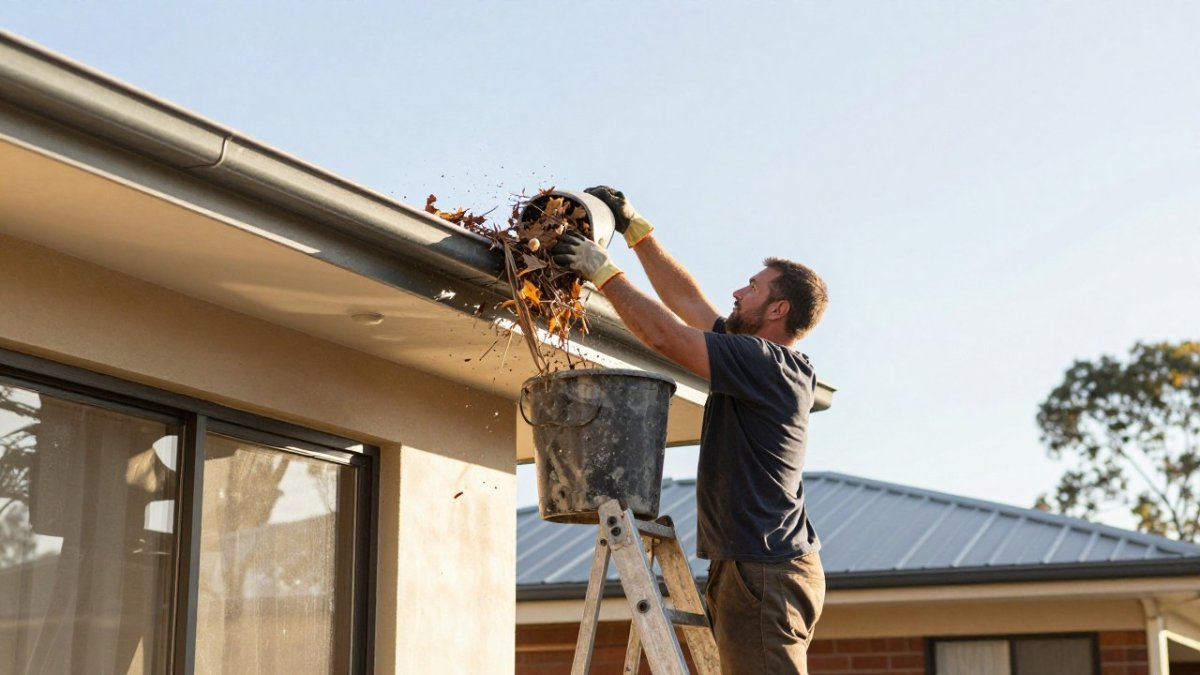
Cleaning gutters is one of the most common causes of falls from residential roofs. Working at height on a ladder or roof, especially on a dry, windy day, carries real risk. Before you climb, weigh the task honestly.
A DIY clean suits single-storey homes with low, accessible gutters, a stable ladder, and someone nearby. Use a ladder rated for the load, set it on firm, level ground, and never lean out beyond your belt buckle. Wear gloves and eye protection, and avoid working alone on a roof.
Hire a professional for two-storey or steep roofs, fragile roofing materials, or gutters you cannot reach safely from the ground. Professionals also bring equipment such as industrial gutter vacuums, which remove debris without requiring you to climb.
Our team uses an industrial gutter vacuum system, so most of the work happens from the ground. Get a written quote and confirm what is included before work begins.
Bushfire Home Preparation Checklist for Your Gutters
Use this checklist to prepare gutters before fire season:
- Clear all debris from gutters, valleys and downpipes
- Trim overhanging branches away from the roofline
- Check gutter brackets, joins and fixings for gaps or corrosion
- Confirm gutter guards are fitted tightly and in good condition
- Remove debris from the roof surface and eaves
- Check the BAL rating for your property
- Note the next scheduled clean in your maintenance log
- Keep a bushfire survival plan up to date with your household
For official bushfire preparation guidance, including what to do during a fire warning, see your state emergency service and the national bushfire resources listed below. Bushfire preparation and survival planning, Australian Government
Gutter maintenance is one part of a wider plan. Pair it with clearing your yard, storing fuel safely, and having an evacuation plan agreed in advance.
Booking Your Gutter Inspection Before Fire Season
Booking a gutter clean and inspection before the season starts gives you time to fix problems and avoid the rush when fire danger rises. Demand for cleaning and guard installation tends to climb once warnings start.
When you contact us, tell us about your property: the number of storeys, the type of roof, nearby trees, and whether you have rural land or a solar array. This helps us plan the right equipment and give you a realistic timeframe.
Pricing depends on property size, number of storeys, access, and the scope of work. Visit the Narrandera Gutter Cleaning website for current pricing details or to request a free quote.
Request your free quote from Narrandera Gutter Cleaning today and get your gutters ready before the next fire season.
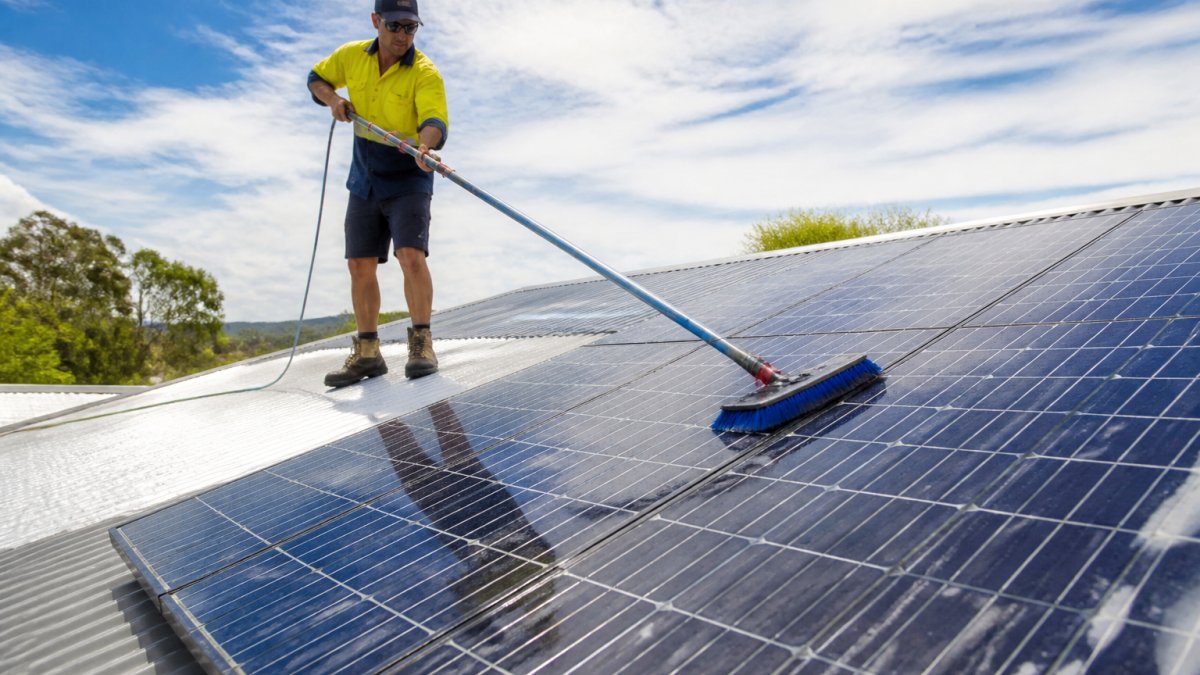
Narrandera Gutter Cleaning provides professional gutter and downpipe cleaning, solar panel washing, and pressure washing across the Riverina. Our industrial gutter vacuum system and premium aluminium mesh guards help keep your home protected from debris, water damage and bushfire risk. Contact us to book your inspection before fire season begins.
Frequently Asked Questions
How do I prepare my gutters for bushfire season?
Start by removing all leaves, twigs and bark from the gutters, downpipes and roof valleys. Check that gutters are firmly fixed to the fascia and that there are no gaps where embers could lodge. If you fit a guard, choose a non-combustible metal option with a fine mesh aperture, and make sure it is installed tightly so it does not sag. Repeat the clean before the season starts and again whenever a fire warning is issued in your area.
Can leaves in gutters increase bushfire risk?
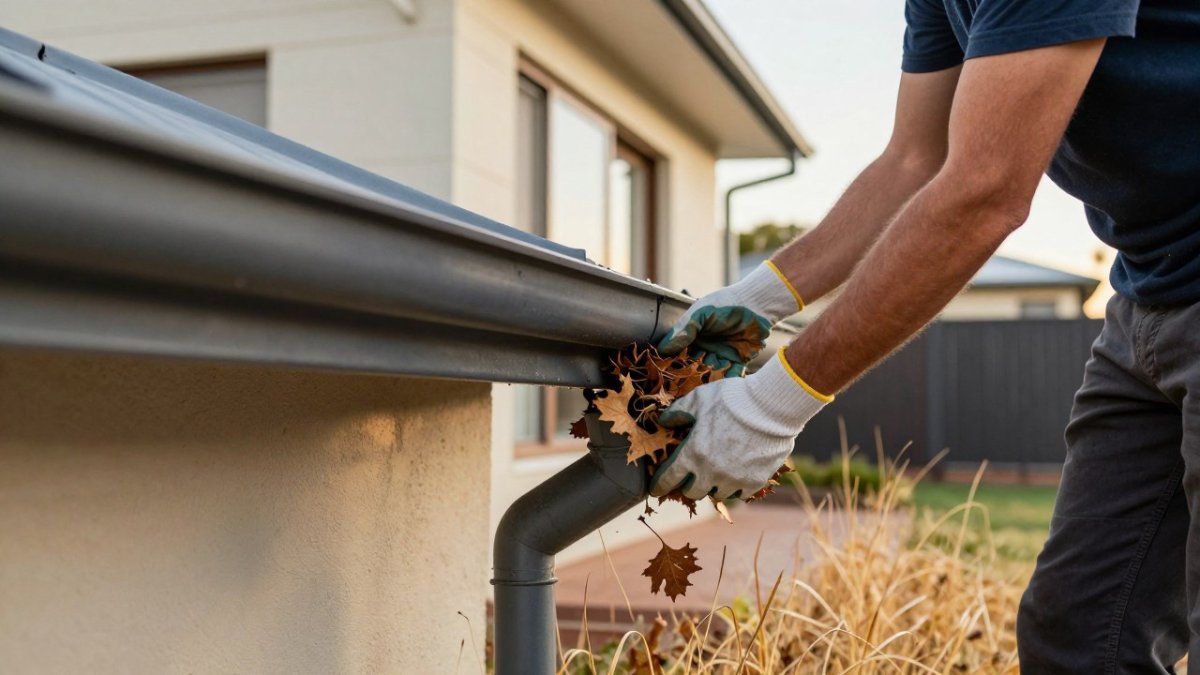
Yes. Dry leaves, twigs and leaf litter in gutters are combustible, and a single ember landing in them can ignite the debris. Once it catches, the fire can spread along the gutter and reach the roofline, eaves and wall cladding. Clearing gutters removes this fuel source, which is why it is one of the simplest and most effective preparation steps for a home in a bushfire-prone area.
Do gutter guards protect a home from embers?
A well-installed metal gutter guard with a fine mesh can stop larger debris and reduce the chance of embers settling in the gutter. However, no guard is fully ember-proof. Fine mesh can still trap leaf fragments on top, and poor fitting leaves gaps. A guard should be treated as one part of your preparation, alongside regular cleaning and ember-proofing of the roof and vents.
Should I clean gutters myself or hire a professional?
Cleaning ground-level gutters on a single-storey home is manageable for many people with a sturdy ladder and proper footing. Working at height on a two-storey home, a steep roof or a rural property with multiple outbuildings carries real fall risk. A professional team with the right equipment can clean gutters safely from the ground or at height.
What other parts of the roof should I check for ember entry?
Check the roof valleys, the box gutters, the roof edges and the ridge capping for debris and gaps. Inspect downpipe outlets, the eave and fascia junctions, and any vents or weep holes where embers could enter. Look for cracked or lifted roof tiles and gaps around the roofline. Sealing these openings and clearing debris from them reduces the number of points where an ember can get inside.